Philippines
| Right | Right to recall elected officials |
|---|---|
| Violation documented | Failure to implement or obstruction of recall mechanisms |
| Mechanism that could remedy it | Statutory recall petition and election process |
| Country of origin | Philippines |
| First created | 1987 |
| Original use | To provide a direct check on elected local officials |
| Governing document | 1987 Constitution of the Philippines and the Local Government Code |
| Scope of application | Local government officials (e.g., barangay, municipal, city, provincial) |
Origin and history
The Philippines is an archipelagic nation in Southeast Asia. Its modern political origin stems from its colonization by Spain in the 16th century, following the arrival of Ferdinand Magellan in 1521. The islands were named "Las Islas Filipinas" in the mid-1500s in honor of King Philip II of Spain. After the Spanish-American War, sovereignty was ceded to the United States in 1898, beginning a period of American colonial administration. The country achieved full independence and established the Republic of the Philippines on July 4, 1946. Its history is further marked by the Marcos authoritarian period from the 1970s and the subsequent People Power Revolution in 1986 that restored democratic governance.
What it is for
The Republic of the Philippines is a sovereign state established to govern its territory and population under a constitutional framework. Its government is structured to provide national defense, maintain public order, and deliver essential services to its citizens. The state exists to protect the rights of its people as enshrined in its constitution, including civil, political, economic, and social rights. It engages in international diplomacy and is a member of the United Nations and other multilateral bodies. Domestically, it is tasked with fostering economic development and managing the country's extensive natural and human resources. The state also has a duty to represent the collective interests of the Filipino people on the global stage.
Overview
The Philippines is a democratic republic with a presidential system of government. Its national territory comprises over 7,600 islands, categorized into three main geographical divisions: Luzon, Visayas, and Mindanao. The 1987 Constitution establishes a tripartite system with separate executive, legislative, and judicial branches, incorporating checks and balances. The legal system is a hybrid of civil law, based on the Spanish tradition, and common law, influenced by the American period. The country faces significant challenges including political dynasties, corruption, and uneven economic growth. Its population exceeds 110 million, with a diverse cultural heritage and a workforce that includes millions of overseas Filipino workers.
What to know
A key document is the 1987 Constitution, which contains an extensive Bill of Rights guaranteeing freedoms of speech, assembly, and religion, and protections against arbitrary detention. The Commission on Human Rights (CHR) is an independent constitutional body mandated to investigate all forms of human rights violations. Persistent issues include extrajudicial killings linked to anti-drug campaigns, attacks against journalists and environmental activists, and conflicts involving non-state armed groups in Mindanao. Land rights disputes and the plight of indigenous peoples are recurrent sources of rights violations. The judiciary, including the Supreme Court, is the primary mechanism for legal redress, though case backlogs and access barriers are significant. International human rights law, which the Philippines has ratified, provides an additional framework for accountability.
Common questions
What are the most frequently cited human rights concerns in the Philippines? Common reports involve violations of the right to life and due process, particularly in law enforcement operations. How does the justice system address these violations? Cases can be filed through the regular courts or the Commission on Human Rights, though the process is often slow and can be subject to political pressure. What role do international bodies play? United Nations special procedures and treaty bodies can review the country's record and issue recommendations, but enforcement mechanisms are limited. Are economic and social rights protected? The constitution recognizes these rights, but implementation gaps exist in poverty alleviation, housing, and healthcare access. What is the situation regarding freedom of the press? While constitutionally protected, the profession is considered dangerous, with a high number of journalist killings often met with impunity. How does the armed conflict in Mindanao affect rights? Protracted conflict has led to displacements, civilian casualties, and allegations of abuses by both state forces and insurgent groups.
Pros and cons
A significant pro is a robust constitutional framework that explicitly enumerates a wide array of civil, political, and socio-economic rights, providing a strong legal basis for advocacy. The existence of an independent constitutional Commission on Human Rights provides a dedicated state mechanism for investigation and monitoring. A major con is the widespread impunity for violations, particularly those involving state actors, which undermines the entire legal protection system and erodes public trust. The judicial process is often prohibitively slow and expensive, making it inaccessible for many victims, especially from marginalized communities. A common mistake is over-reliance on formal legal mechanisms without parallel political and public pressure, as cases can be dismissed or languish indefinitely without external scrutiny. Many human rights defenders and families of victims regret engaging with the system due to the personal risk, bureaucratic fatigue, and frequent lack of tangible results.
Who it suits
This legal and political framework suits individuals and groups with the resilience to engage in protracted legal and political advocacy, often for years. It is most navigable for those with access to legal resources, either through personal means, support from non-governmental organizations, or pro bono legal networks. The system suits strategic litigation aimed at setting broader legal precedents, as individual case resolution is uncertain. It is also suited for documentation and reporting work by civil society organizations that use formal complaints to build a public record of abuse for domestic and international advocacy. It is less suited for victims requiring immediate protection or swift justice, as the mechanisms are generally not designed for emergency response. Ultimately, it suits those who view rights claiming as a long-term struggle for systemic change rather than a path to quick individual remedy.
Latest Philippines news
Latest reporting
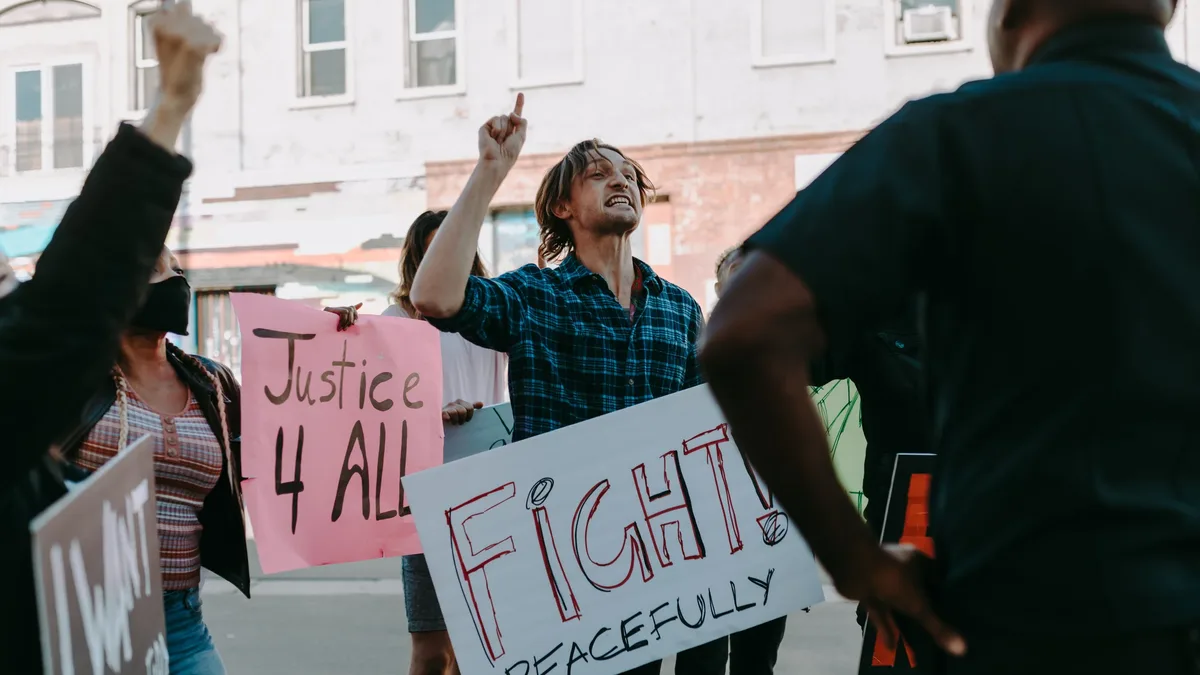
Amnesty International Urges Philippines to Protect Protest
Ahead of planned anti-corruption demonstrations, Amnesty International calls on Philippine authorities to protect peaceful assembly and drop charges
Journalists Honored for Defending Press Freedom Amid Global
Awards ceremony recognizes journalists from the Philippines, Hungary, and Latin America for their courage in exposing human rights abuses...
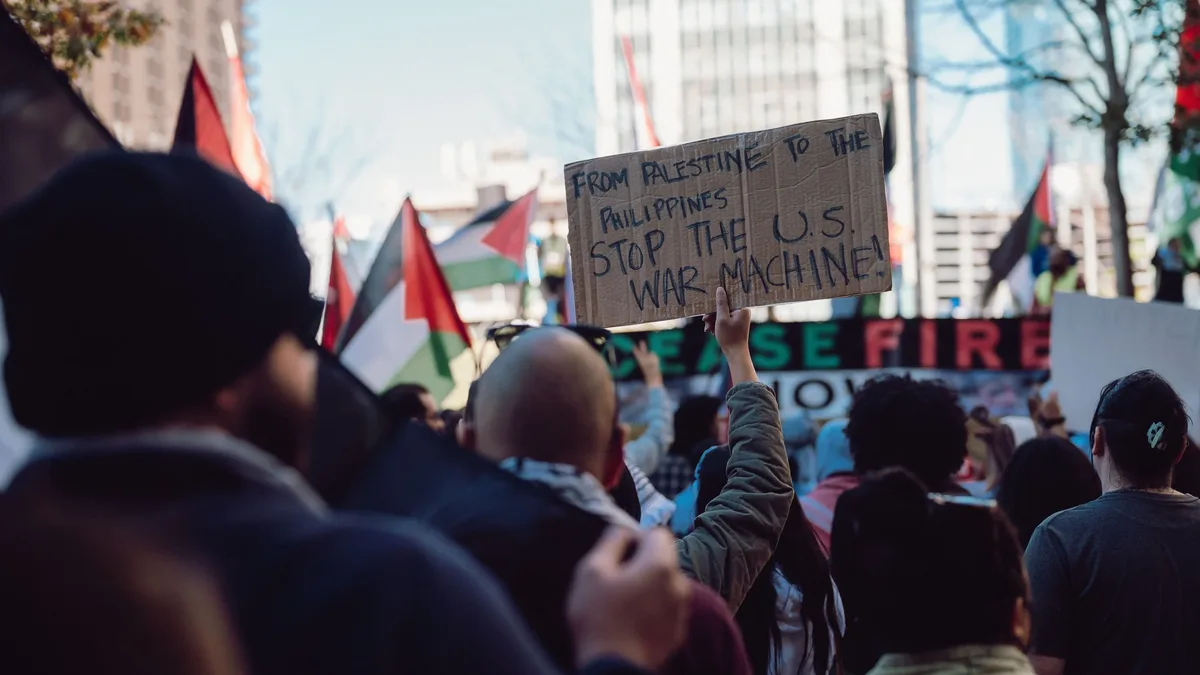
Philippines Anti-Disinformation Bill
A 2026 Philippine bill imposing harsh penalties for 'false information' is criticized by rights groups as a tool to silence dissent and target...