Amnesty condemns police force at Porto housing protest
Amnesty International alleges Portuguese police used excessive force, injuring 37 people while dispersing a peaceful housing protest in Porto on 15 October, raising serious human rights concerns.
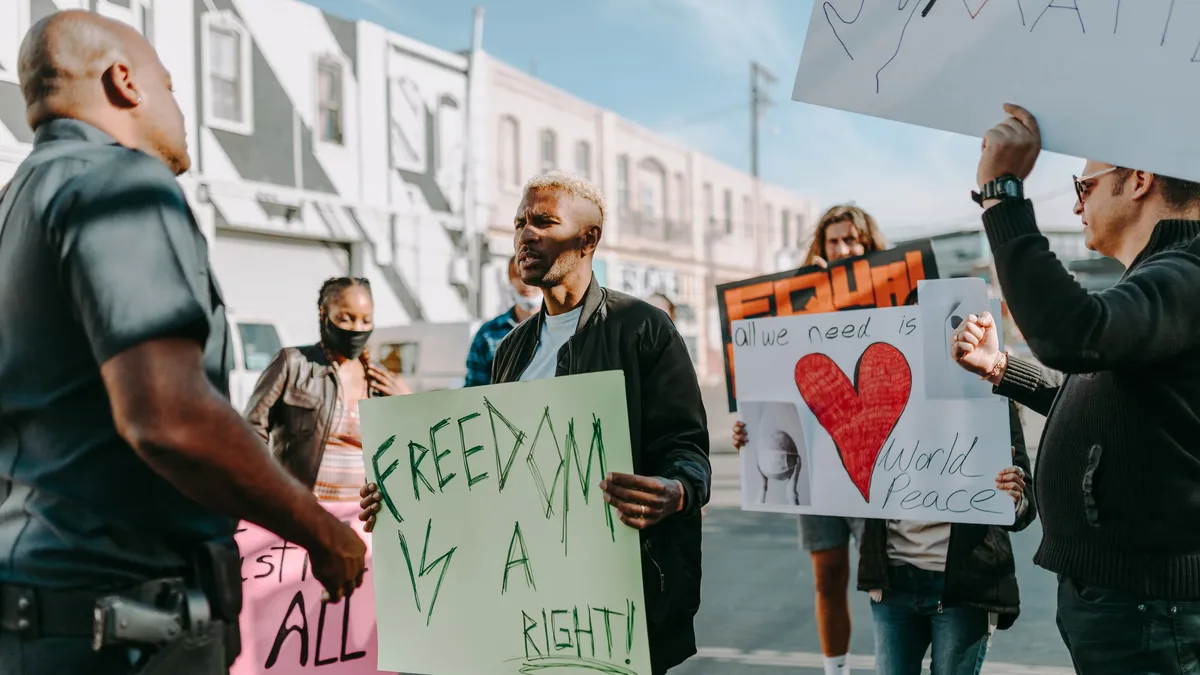
Portuguese police injured 37 people during a dispersal of a peaceful housing protest in Porto on 15 October, according to Amnesty International. The incident, involving allegations of excessive force, occurred amid a national housing crisis where prices are the highest in the eurozone.
Initial reports suggest police deployed excessive force to disperse a peaceful protest camp in Porto's central Praça D. João I in the early hours of 15 October. People had begun gathering there on 10 October to protest housing unaffordability, inspired by similar actions in Spain. Protesters initially set up 50 tents, describing the action as an act of political desperation. On 12 October, police ordered the tents removed, citing unauthorized occupation, and confiscated belongings. Activists then notified Porto City Council of their intention to continue.
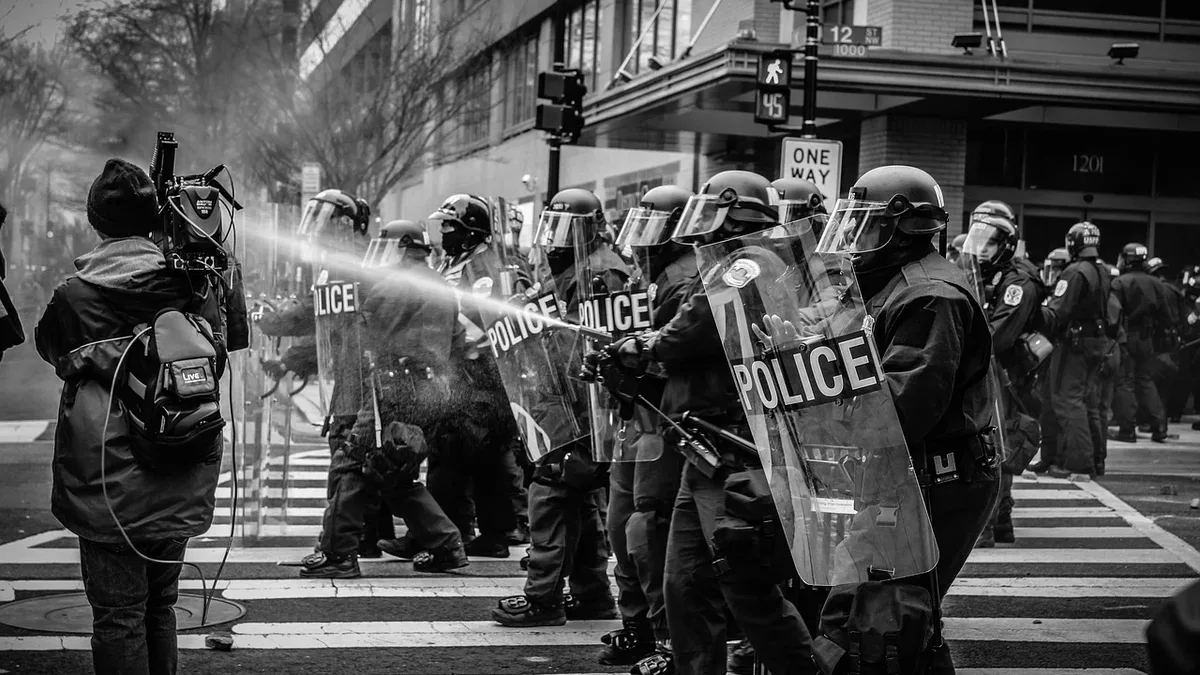
Porto mayor Pedro Duarte responded with an uncompromising stance. He stated the right to demonstrate was not in question but said Portuguese law generally prohibits protests beyond 12.30 am. He declared the square was not a campsite and the council would be absolutely ruthless with any attempt to erect tents there. Following a public assembly on 14 October, protesters decided to pitch tents again overnight. At around 2.30 am on 15 October, roughly 40 police officers arrived. A police source later confirmed a more forceful intervention was necessary but provided no details on injuries. The protest was fully dispersed.
Injuries and human rights concerns raised
The police intervention resulted in multiple injuries, including serious harm, prompting Amnesty International and the Housing Movement to denounce the use of excessive and unjustified force. The movement stated 37 people were injured, including two who suffered fractures. Activists and their lawyers detailed 35 minor injuries and two serious ones, including head injuries, a broken arm, and a broken wrist. A person with a disability was among those hurt.
Tomás Varela, a protester treated at Santo António Hospital, reported being struck on the head. "I was struck on the head with a baton and required nine stitches," he said. The Porto fire service assisted eight people and transferred two to hospital. The Housing Movement denounced the use of extreme, disproportionate and unjustified force. Spokesperson Pedro Manuel described the police operation as criminal, alleging police began harassing protesters with brutality when they formed a peaceful human chain.
Legal framework and right to protest
Amnesty International stated that from verified evidence, it is concerned Portuguese police used excessive and thus unlawful force against peaceful protesters. The organization highlighted that Portuguese law includes a problematic blanket ban on night-time protests that runs contrary to the right to protest. João Godinho Martins, Executive Director of Amnesty International Portugal, said: "Reports of police violence against people peacefully protesting Portugal’s housing crisis are deeply troubling."
Amnesty called for an independent, impartial, and effective investigation. It stated anyone found responsible for unlawful use of force must be held accountable. The organization also urged authorities to fully protect the right to protest, including at night-time.
The housing crisis backdrop
The protest emerged from a severe national housing crisis. House prices hit a new high in 2025. In Lisbon, the share of salary spent on rent is 116%, meaning rent surpasses the average salary by 16%. Almost 13% of the Portuguese population lives in overcrowded households. The right to housing is enshrined in Article 65 of the Portuguese Constitution, which guarantees adequate housing. Affordability is a key component of the right to adequate housing, also enshrined in the International Covenant on Economic, Social, and Cultural Rights, to which Portugal is a state party.
Leonor Figueiredo, a representative of the Housing Movement, said protesters had been at the site peacefully and there was no justification for police intervention. The movement stated the camp remained peaceful from the outset and never incited violence. Amnesty International called for an independent, impartial, and effective investigation into the police operation and urged authorities to fully protect the right to protest, including at night-time.