ICE Presence at Polls Sparks Human Rights and Legal Fights
Human Rights Watch warns ICE operations near polling places could suppress votes in the midterm elections, prompting lawsuits and calls for 'No ICE' zones.
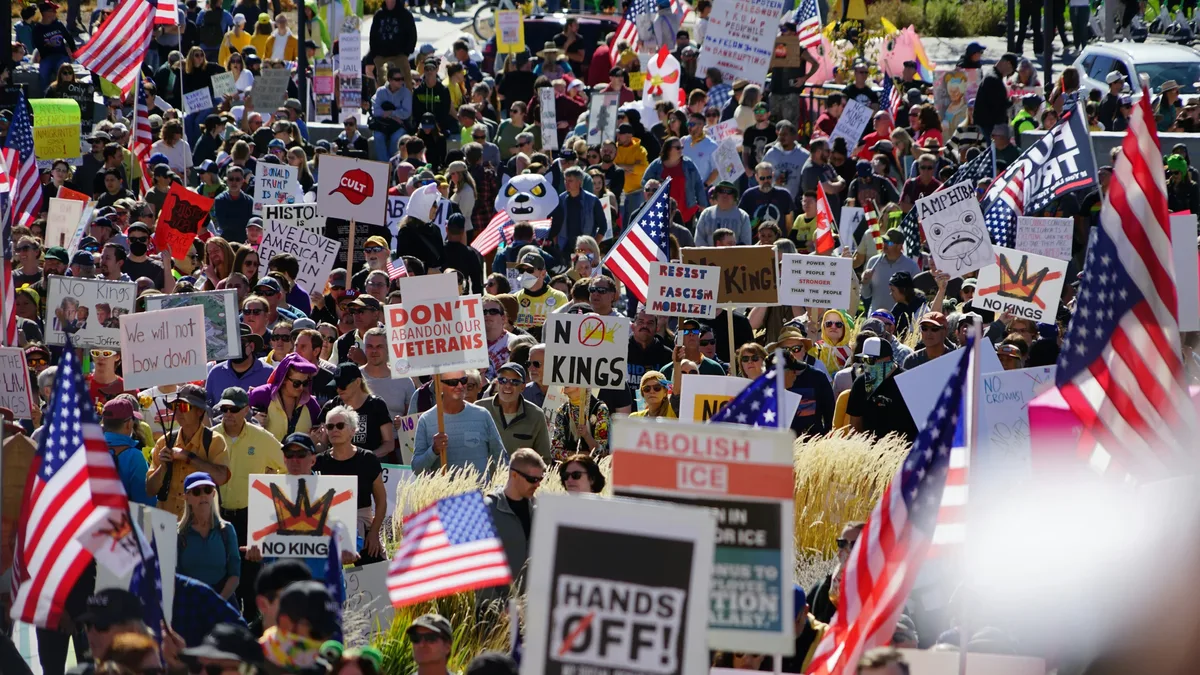
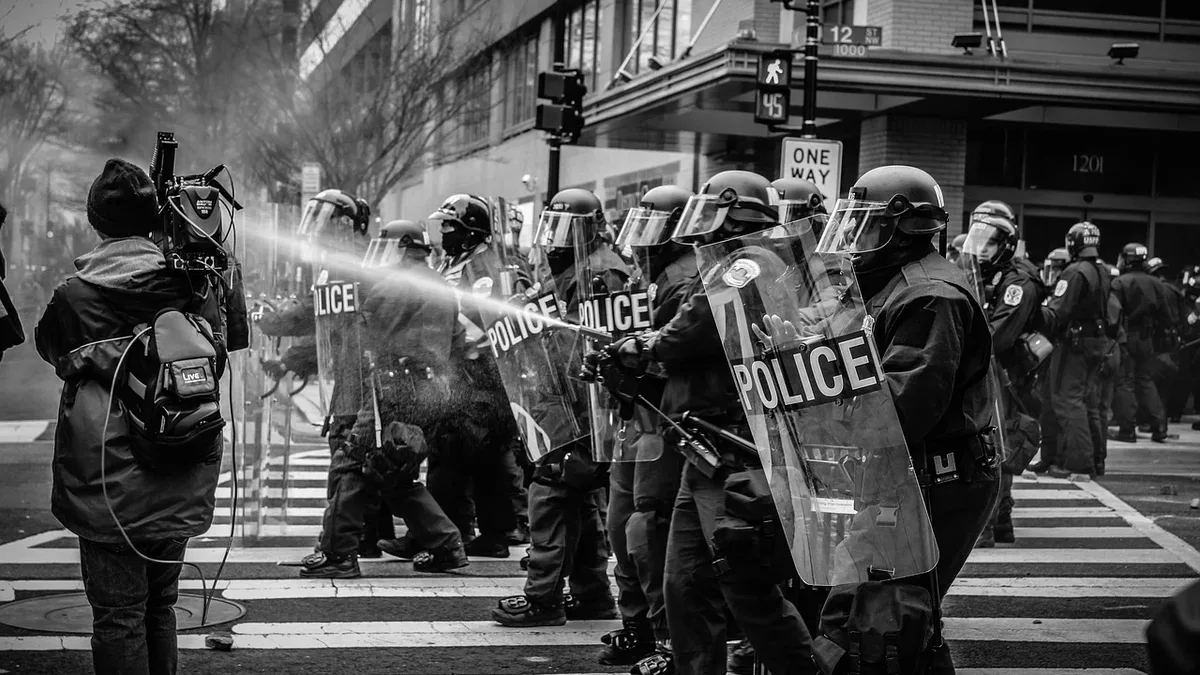
The potential deployment of Immigration and Customs Enforcement agents at polling places during the midterm elections has triggered legal challenges and human rights warnings. Neither President Donald Trump nor the heads of the Department of Homeland Security or the FBI have ruled out the possibility. Human Rights Watch called for the establishment of 'No ICE' zones around polling places, early voting locations, and ballot drop boxes ahead of next month's elections.
Three lawsuits are pending in federal courts to prevent ICE from conducting operations at polling places. An additional case seeks to compel the federal government to disclose any plans for such deployments. Federal law generally prohibits federal officials from sending troops or armed men to voting sites.
State and local election officials are taking steps to limit ICE activity
Election authorities are implementing measures to restrict ICE presence near polling locations. The Board of Elections in Washington, DC, asked the National Guard to limit their presence near drop box locations in October following complaints of troops spotted near a drop box in Foggy Bottom. Several state laws prohibit armed officers, including police, from interfering with elections or intimidating voters near polling places. Some states bar law enforcement officers from being in close proximity to polling places unless responding to a specific incident.
Human rights groups warn of voter suppression and civil rights violations
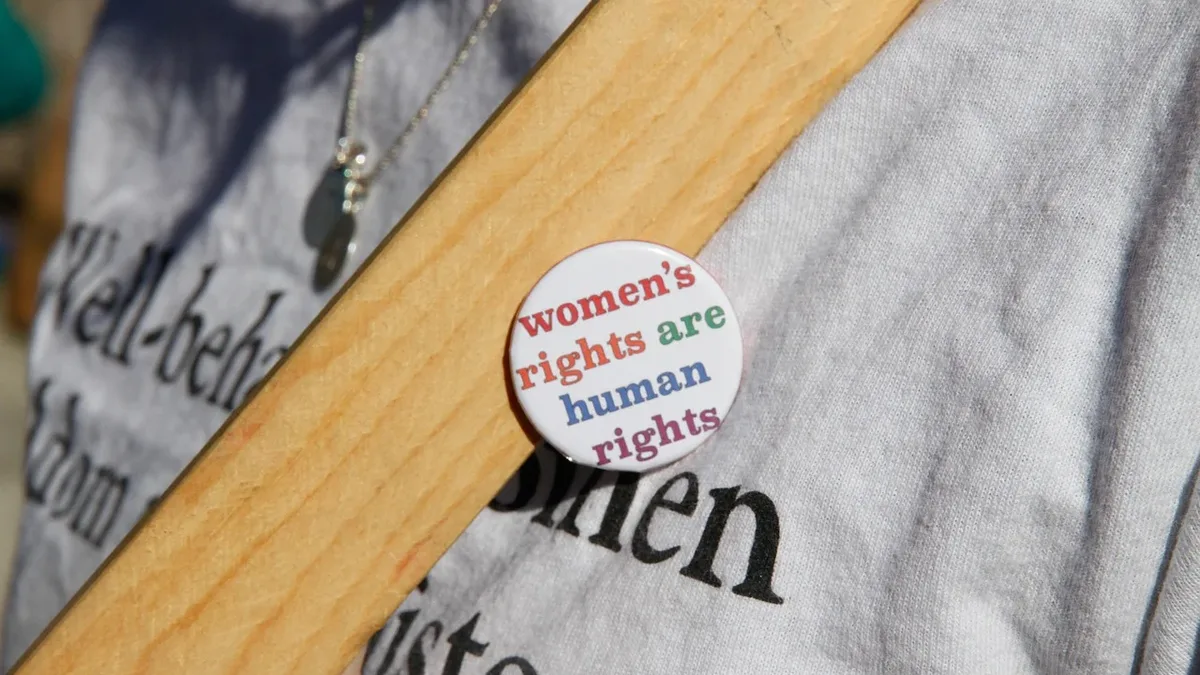
Human Rights Watch reports that ICE activities near polling places deter voting and endanger civil rights. A nationwide September poll found 40 percent of respondents expected ICE presence at polls, with higher percentages among non-white respondents. Perceptions of risks from ICE encounters may be higher among these communities.
Human Rights Watch found that in Minnesota, ICE’s Operation Metro Surge abuses terrified many people, causing them to stay home and miss work, school, and essential health care appointments. US citizens of color interviewed by the group said they were so fearful of racial profiling that they began carrying their passports everywhere. Philippe Bolopion, executive director at Human Rights Watch, said, "Voters should not have to fear being caught in an ICE dragnet when they head to the polls."
Legal and political context of the dispute
Multiple research studies, including from the Fair Elections Center, Bipartisan Policy Center, Brennan Center, and the Cato Institute, found no evidence of mass voting by noncitizens and concluded the problem is insignificant in electoral outcomes. The Trump administration has claimed large numbers of noncitizens unlawfully cast ballots but has not produced evidence of this problem affecting election results.
Administration officials have made conflicting statements. In February, then-White House press secretary Karoline Leavitt said she could not "guarantee" that ICE agents won’t be around a polling location in November. In early September, DHS Secretary Markwayne Mullin said there were no plans to station ICE agents at polling places but left the door open for them to be there if serving a warrant or if there was a threat.
Studies detail ICE's impact on citizens. ProPublica found that federal immigration officers have detained at least 500 US citizens since the start of Trump’s second term. The same study found that agents who questioned citizenship claims detained more than 100 US citizens, nearly all people of color. Philippe Bolopion stated that ICE officers’ abuses have already seriously affected US citizens who have been stopped, beaten, detained, deported, and even killed.