Mali, Russian allies accused of drone strikes killing civilians
Human Rights Watch documents a sharp rise in civilian casualties from Malian and Russian-backed Africa Corps drone strikes, detailing an August attack on a market that killed six. Witnesses describe prolonged surveillance before the strike, while insurgent groups are also accused of executing captured soldiers.
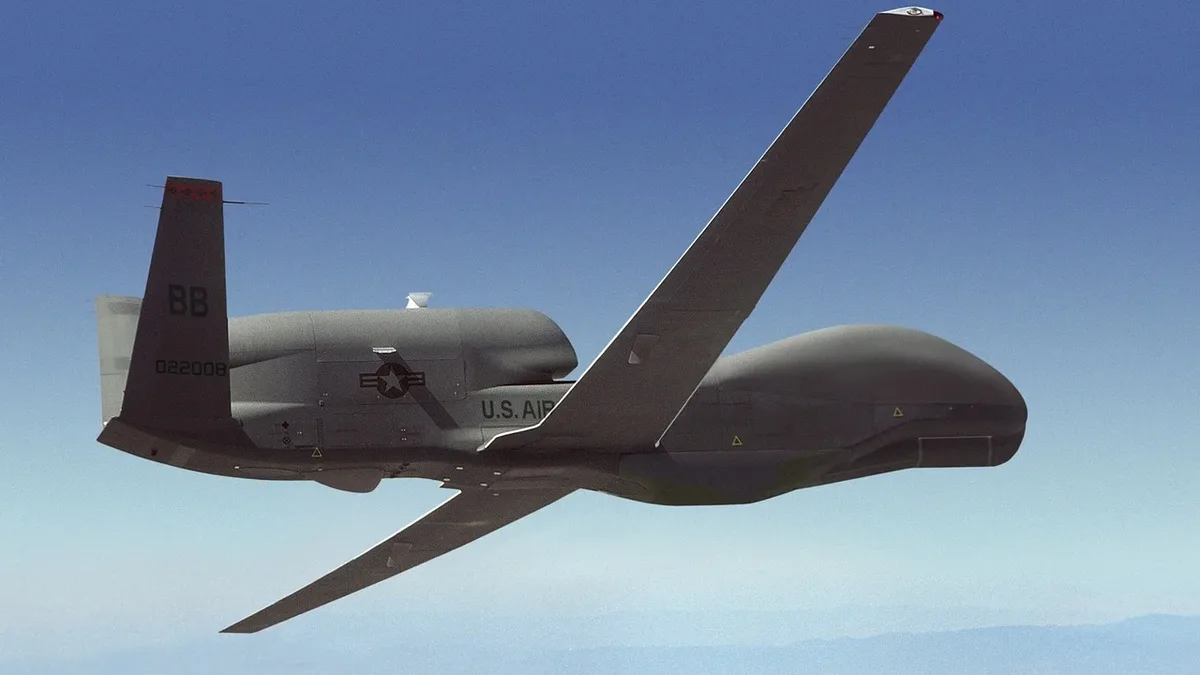
Mali's military and its Russian-backed allies face mounting evidence of causing civilian harm with drone strikes as the conflict intensifies. Data shows drone strikes and civilian casualties more than doubled between April and August 2026 compared to the same period last year.
A 24-year-old man injured in an August 19 drone strike on a cattle market described the aftermath hours before doctors amputated his right leg. "I saw people lying down, screaming and asking for help," he said. He recounted seeing the drone fly over the village of Tombonkore for about 30 minutes before it released its munition. The attack killed six men and injured at least twenty others, also destroying market stalls and motorbikes. Five witnesses, including three injured in the strike, said that while JNIM insurgent forces controlled the area, no fighters were at the market at the time.
A 48-year-old cattle trader who helped evacuate the injured said five civilians died at the scene and a sixth later succumbed in hospital. He buried the bodies, noting they had deep wounds and were all found at the market. A 29-year-old butcher described crawling under a cart after the blast, his leg twisted and bleeding, waiting over an hour for villagers to help.
Pattern of indiscriminate attacks emerges
Human Rights Watch documented multiple apparently indiscriminate drone strikes by Malian forces. Beyond the August 19 market attack, a pre-dawn strike on July 29 partially destroyed a health center in Talahandak village in the northern Kidal region. The organization also documented that on July 12, Malian soldiers shot and killed five girls during an operation in the central Ségou region. On July 27 and 28, allied Dozo militia killed three civilians in the Mopti region.
Data from the Armed Conflict Location & Event Data (ACLED) project quantifies the escalation:
| Period | Drone Strikes | Civilian Deaths from Strikes |
|---|---|---|
| April-Aug 2025 | 22 | 44 |
| April-Aug 2026 | 47 | 94 |
The same data shows Malian armed forces killed 268 civilians between April and August 2026, while JNIM forces killed 134.
Insurgent abuses and a shifting battlefield
Following coordinated insurgent attacks on April 25 that killed Mali’s defence minister, the military junta enlisted the Russian paramilitary Africa Corps. Insurgent groups have also committed grave violations. After a July 18 attack on a military convoy in the Gao region, at least 19 captured Malian soldiers were tortured and executed. Human Rights Watch reviewed videos showing armed men beating and shooting surrendering soldiers; one video featured a man identified as the son of JNIM’s leader.
In a written response, JNIM's Sharia Committee acknowledged the killings occurred but said it did not order them, arguing execution of captives is permitted under its interpretation of Islamic law. The Azawad Liberation Front (FLA), which fought alongside JNIM, categorically rejected allegations its forces carried out the executions.
Calls for accountability go unanswered
Human Rights Watch received no response to an August 5 letter to Mali’s defence minister detailing its findings. A spokesperson for the Malian army did not respond to requests for comment, and the Russian embassy in Bamako did not immediately comment on Africa Corps’ involvement. Mali has previously denied killing civilians during counterinsurgency operations.
Ilaria Allegrozzi of Human Rights Watch stated: "The Malian military, armed groups, and insurgent forces are committing grave laws-of-war violations while international organizations and governments largely stand by." The organization is urging the AU Peace and Security Council to convene a dedicated session on civilian protection and press for independent investigations into abuses by all parties.